Our Research Infrastructure
CSIR-IGIB houses an array of cutting-edge facilities that support genomics, imaging, biosafety, gene editing, and biobanking research. These facilities were presented to the Parliamentary Committee during their visit, showcasing CSIR-IGIB's commitment to advancing science and translating it to societal benefit.
Each facility reflects our dedication to maintaining the highest standards of scientific practice, safety, and innovation — enabling researchers, students, and collaborators to pursue discoveries that matter for India and the world.
Facilities Visited by the Parliamentary Committee
GMP Facility
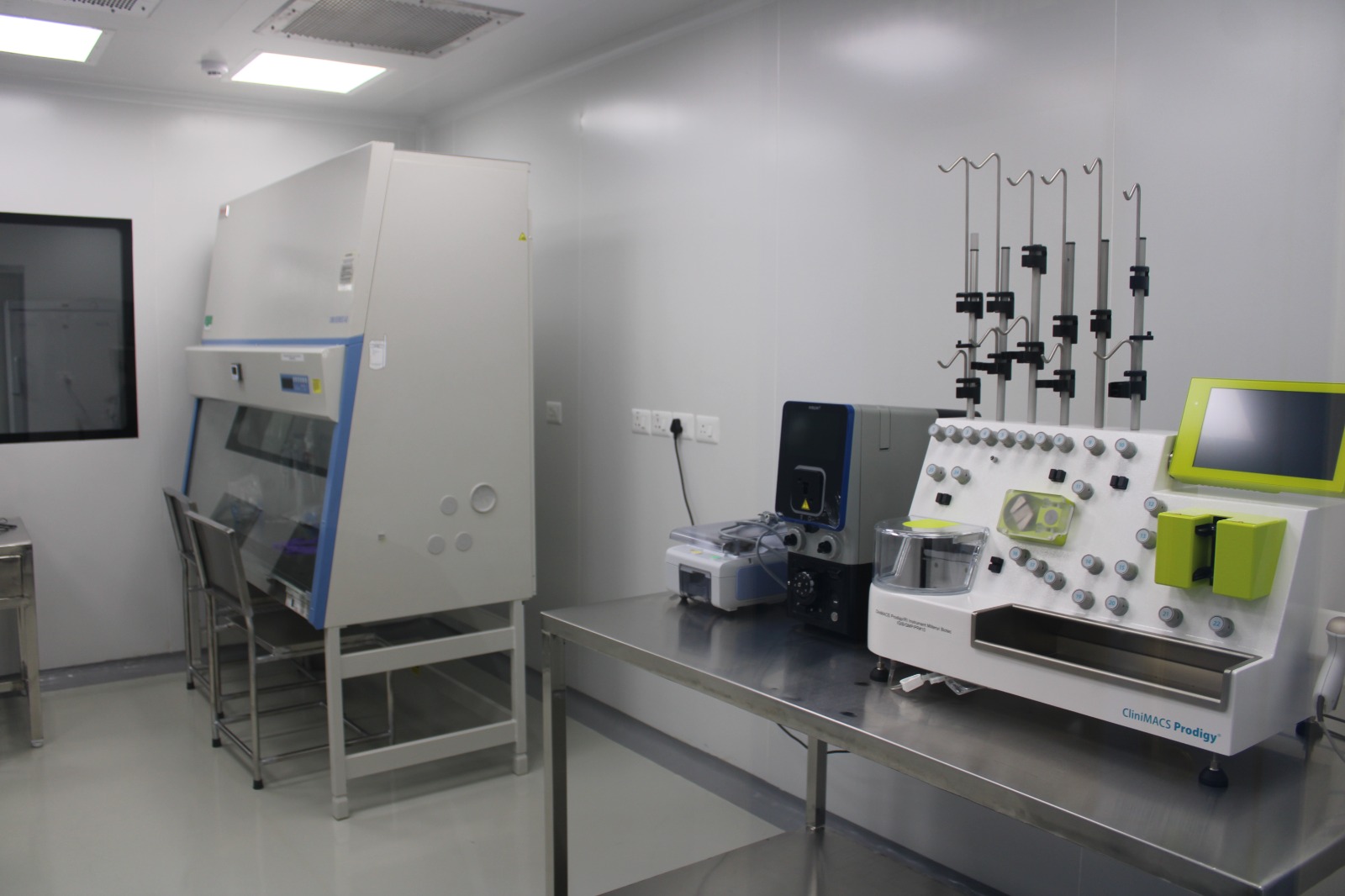
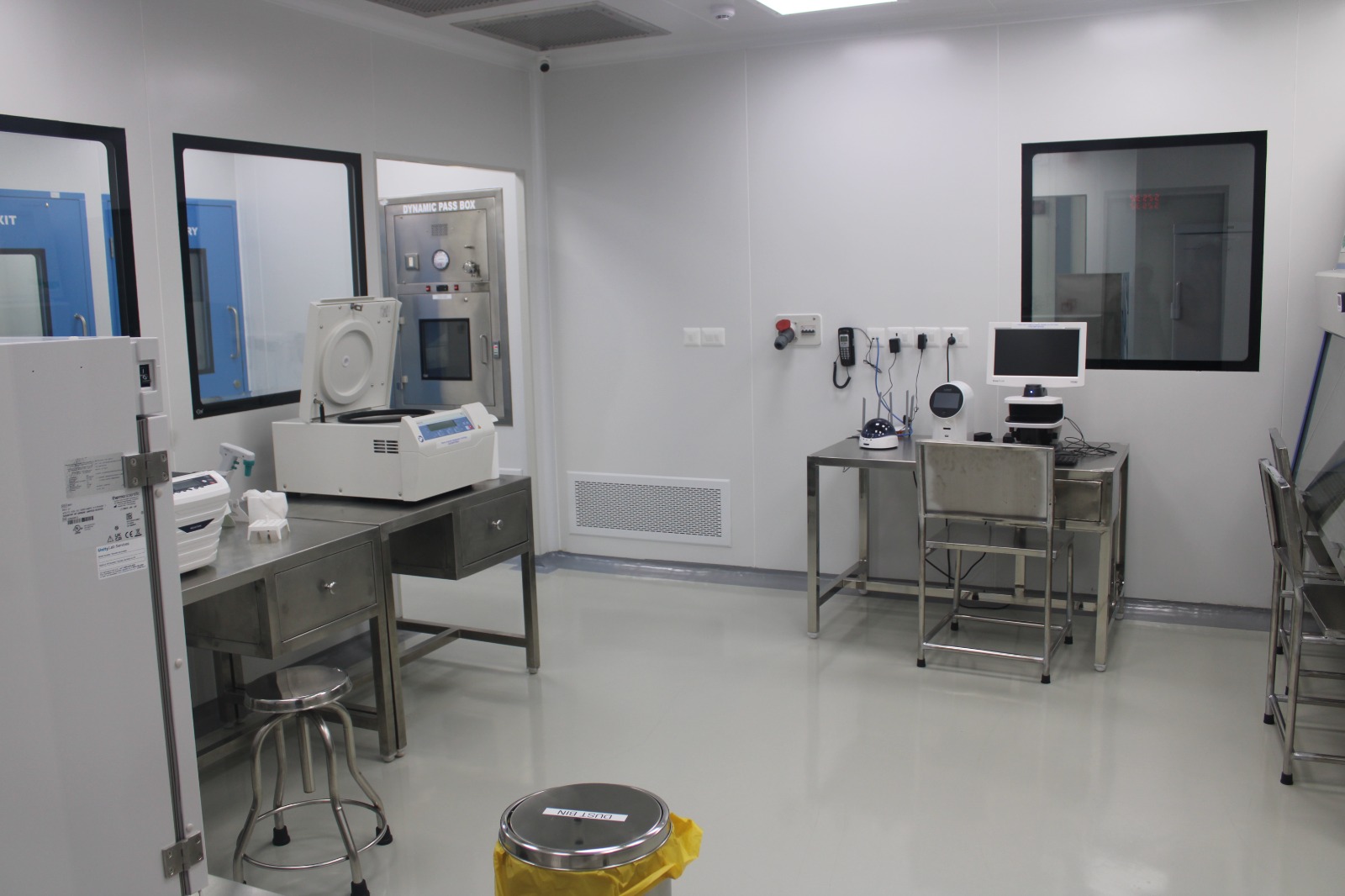
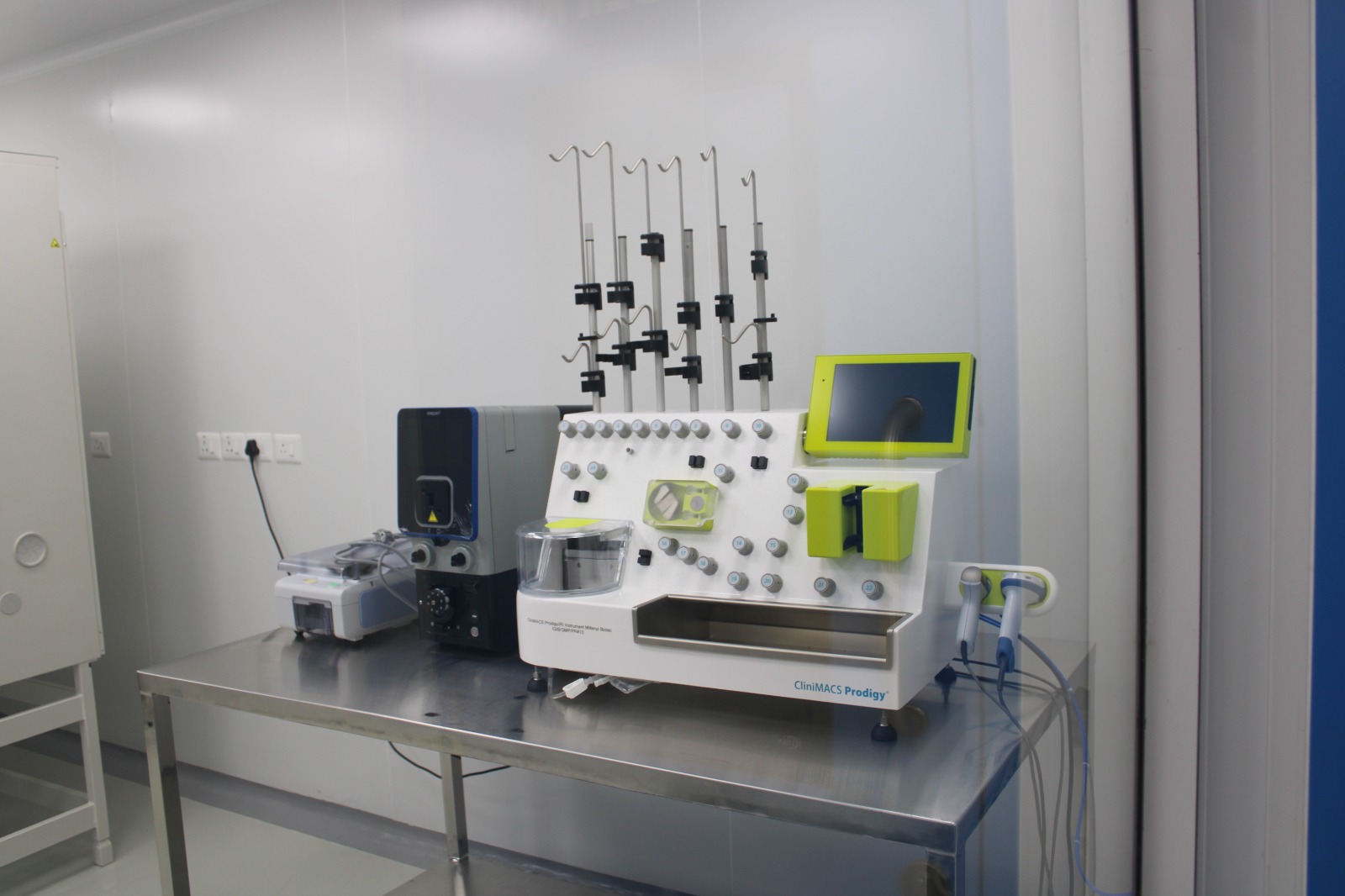
In the mission to eradicate Sickle-Cell Anemia from the country, CSIR-IGIB, along with multiple stakeholders
such as the Ministry of Tribal Affairs, Niti Aayog, Serum Institute of India, and the Ministry of Science and
Technology, has come together to create a new Good Manufacturing Practice (GMP) Facility on campus. This facility
will provide ex-vivo CRISPR-Cas9 gene editing therapy options that use the patient's own blood, hence reducing
the risk of immune rejection. This independent facility will receive blood samples from patients with sickle cell
anemia and edit them using CRISPR-Cas9 technology. The blood sample will then be transfused back to the same
patient in the hospital. Once fully functional, this facility will offer the potential for a one-time treatment
approach towards sickle-cell anemia.
Biobank
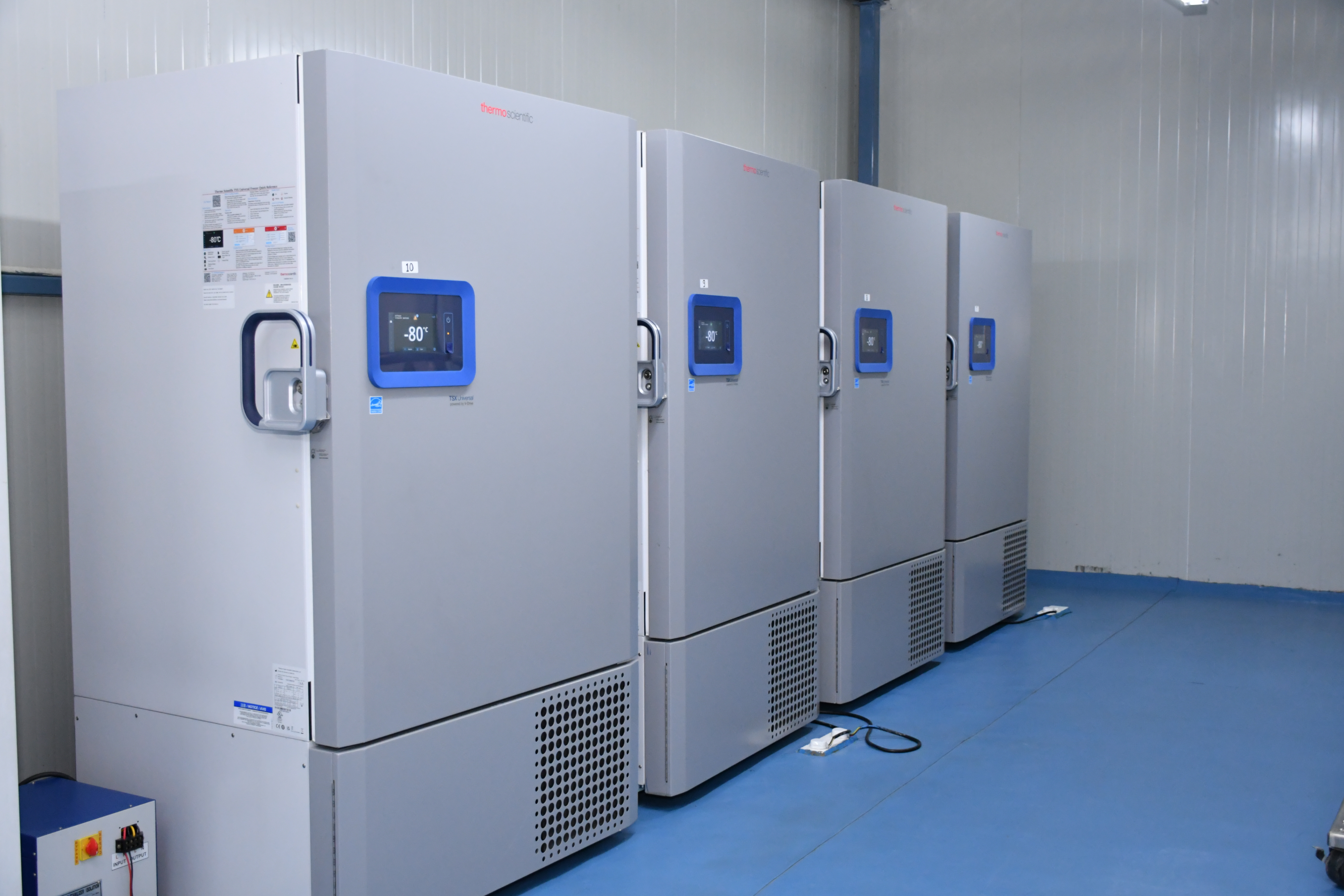
CSIR-IGIB has a state-of-the-art Phenome India "National Biobank" on the campus. This facility serves as the
backbone of the nationwide cohort study — Phenome India — collecting comprehensive genomic, lifestyle, and
clinical data from over 10,000 individuals across India. This initiative aids in early diagnosis, therapeutic
targeting, and the fight against complex diseases such as diabetes, cancer, and rare genetic disorders. The
biobank stores and maintains biological samples, rapidly becoming a coveted resource in clinical research. Now
operational under the project, it is designed to be a long-term, data-rich repository for tracking the health
trajectory of the CSIR cohort over an extended time frame.
Zebrafish Facility
CSIR-IGIB's zebrafish facility is among the largest and busiest zebrafish facilities in the country. The
facility is primarily student-run and uses state-of-the-art water circulation and purification systems. It
houses multiple strains of wild-type fish, including the Assamese wild-type (ASWT), which is native to the
Brahmaputra River. CSIR-IGIB was the first to perform high-depth genome sequencing of the ASWT strain, placing
it on the map as a model for genomic studies. A variety of transgenic lines, including neural markers, are also
maintained. The facility specialises in disease modelling, gene manipulation, and genetic, epigenetic,
behavioural, and developmental studies. Currently, CSIR-IGIB is focusing on creating zebrafish models of
neurodevelopmental disorders resulting from defects in brain development.
Sequencing Facility
CSIR-IGIB has a stand-alone sequencing facility equipped with MiSeq and NovaSeq machines used for human
genomic sequencing. The NovaSeq is a high-throughput instrument that generates large amounts of data in
terabytes, while the MiSeq generates about 500 Mb of data in a single run and is typically used for bacterial
whole-genome sequencing. Both machines are used for collaborative Pan-India projects such as the Indian Breast
Cancer Genome Atlas (IBCGA) and Phenome India. CSIR-IGIB generates whole-genome, transcriptome, and metagenome
sequences for these projects. Around 6,000 gut microbiome samples have been sequenced under the Phenome India
project, and additional household floor samples are also processed here.
Bio Safety Hazard Level 3 (BSL-3) Lab
The Biosafety Level 3 (BSL-3) facility at CSIR-IGIB is dedicated primarily to Tuberculosis research. The
facility is equipped with negative-pressure rooms, High Efficiency Particulate Air/High Efficiency Particulate
Arresting (HEPA) filters, and biosafety cabinets that allow students to work safely with
Mycobacterium tuberculosis. A dedicated animal house is also maintained within the BSL-3 facility.
Biosafety PPE kits and masks are worn by researchers for safety while working with bacteria in this environment.
The primary aim of CSIR-IGIB is to achieve a better understanding of Tuberculosis and identify new therapeutic
interventions. The main focus is on understanding how the host immune response plays a role in
Mycobacterium tuberculosis pathogenicity, and how these mechanisms can be exploited to develop
host-directed therapies.
Animal Facility
The Animal Facility at CSIR–Institute of Genomics and Integrative Biology (CSIR–IGIB), New Delhi,
is a CPCSEA-registered laboratory animal facility under the Committee for the Control and Supervision of
Experiments on Animals (CCSEA), Ministry of Fisheries, Animal Husbandry and Dairying, Government of India, with
registration number 9/GO/RBiBt/S/99/CCSEA. Established in 1999, the facility has over two decades of experience
in supporting high-quality biomedical research and is registered for both in-house breeding and commercial
breeding of laboratory animals.
The facility maintains a wide range of genetically engineered animal models, including transgenic, knockout, and immunocompromised mouse strains, to support cutting-edge research in genomics, molecular biology, infectious diseases, cancer biology, neuroscience, and translational medicine. Animal husbandry and experimental procedures are conducted in accordance with national regulatory requirements and internationally accepted standards of laboratory animal care and welfare.
Veterinary oversight is provided by the dedicated laboratory animal veterinarian, who oversees preventive healthcare, disease surveillance, welfare assessment, and regulatory compliance. The facility is supported by a team of trained animal care personnel responsible for daily husbandry, environmental monitoring, and animal welfare.
To ensure the quality and integrity of animal models, the facility is equipped with dedicated laboratories for histopathology, microbiological health monitoring, and genetic monitoring, enabling comprehensive quality assurance of breeding colonies and research animals. With its experienced personnel, robust infrastructure, and strong commitment to ethical animal care, the CSIR–IGIB Animal Facility provides a reliable platform for world-class biomedical research and innovation.